
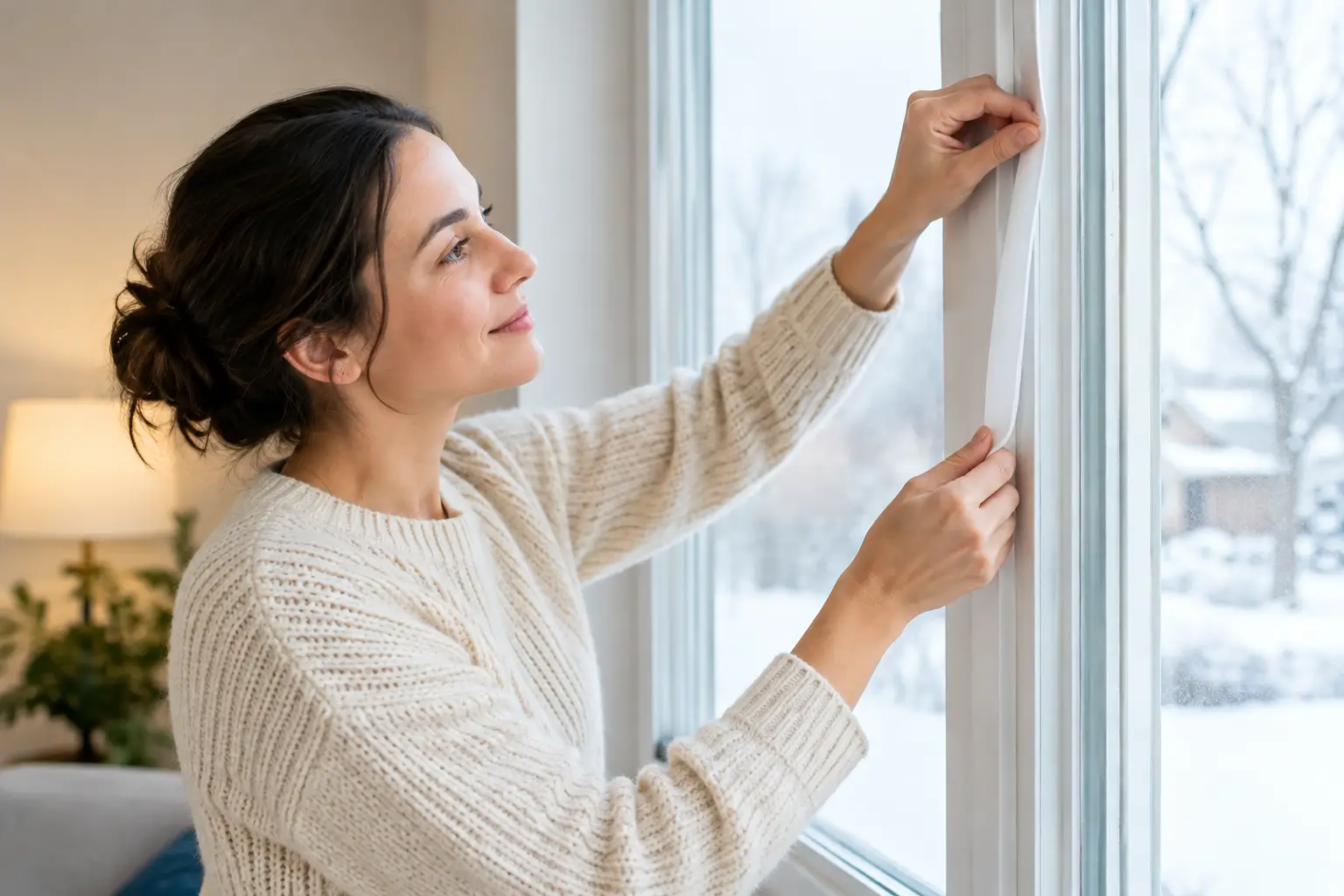
A room that feels cold beside the glass, even with the heating on, is not just a winter nuisance. It is a sign that warmth is escaping where it should be protected. Knowing how to reduce window heat loss can make your Cumbria home feel noticeably more comfortable, help your heating work less hard and improve the look and value of the property at the same time.
Older windows are often the weakest point in an otherwise well-insulated home. Single glazing, tired seals, gaps around frames and poorly performing units allow heat to move outdoors while cold air finds its way in. The right solution depends on the age of the windows, their condition and how long you plan to stay in the property. Small improvements can help, but replacement glazing delivers the biggest long-term difference when existing windows have reached the end of their useful life.
Why windows lose heat
Glass naturally transfers heat more readily than a well-insulated wall. With a single pane of glass, the warm air inside your home loses heat rapidly to the colder outside surface. Older double glazing can also underperform when its sealed units fail, its spacer bars are dated or its frames no longer close tightly.
Heat loss is not always solely about the glass. Draughts around opening sashes, worn hinges, cracked sealant and gaps between the frame and brickwork can all make a room feel chilly. You may notice curtains moving on a windy day, cold spots around a window reveal, condensation between panes or a persistent draught near the sill.
In exposed parts of Cumbria, wind and rain place extra pressure on windows and seals. A window that seems acceptable in mild weather can become a real source of discomfort during a cold, wet spell. That is why a proper assessment should look at the full window system – glazing, frame, seals, locks, hinges and installation – rather than focusing on the glass alone.
How to reduce window heat loss without replacing windows
If replacement is not yet on the cards, there are sensible measures that can reduce draughts and make rooms more pleasant. They will not turn old single glazing into modern energy-efficient windows, but they can buy time and improve day-to-day comfort.
Start by checking whether opening windows shut squarely and lock securely. A window that has dropped slightly on its hinges may leave a gap around the sash. In many cases, hinges and keeps can be adjusted by a qualified professional so the window closes more firmly against its seals. Do not force handles or overtighten hardware, as this can cause further damage.
Replacing perished rubber seals can make a worthwhile difference where the glazing and frames are otherwise sound. External sealant around the frame should also be inspected for splits or gaps. This work needs a careful hand: sealing over a drainage route or using unsuitable materials can create moisture problems rather than solve them.
Well-fitted, lined curtains and blinds add another layer between the room and the glass, particularly after dark. Close them at dusk, but keep radiators clear where possible so warm air can circulate into the room. Thermal blinds and heavy curtains are useful additions, although they cannot stop heat escaping through failed units or obvious draughts.
Secondary glazing can be a practical option for some period properties, listed buildings or windows where replacement is restricted. It adds an internal pane and insulating air gap, often improving warmth and noise reduction. It is not always the neatest choice for every home, and it may be less convenient on regularly opened windows, but it can be an effective compromise where original joinery must remain.
Upgrade to energy-efficient double or triple glazing
For most homes with old double glazing or single-pane windows, replacement units offer the clearest route to lower heat loss. Modern A-rated double glazing uses two panes of glass, a sealed cavity and advanced coatings to hold more warmth inside. Quality uPVC frames, correctly fitted seals and thermally efficient spacer bars all contribute to the finished performance.
Triple glazing adds a third pane and another insulating cavity. It can achieve very low U-values – a measure of how readily heat passes through a material. Put simply, a lower U-value means less heat loss. High-performance triple-glazed windows with a 0.8 U-value can be an excellent choice for homeowners who want the strongest thermal performance, especially in colder or more exposed locations.
That does not mean triple glazing is automatically the best answer for every property. It is heavier, can cost more and may provide a smaller jump in benefit where a house already has good modern double glazing. The size and orientation of the window, the construction of the home, budget and desired appearance all matter. A-rated double glazing is still a major improvement for many Cumbria homes and can offer excellent value.
Choose glazing that is designed as a complete system. The visible glass area may get most of the attention, but a well-insulated frame is just as important. Modern multi-chamber uPVC frames help limit heat transfer and give a clean, low-maintenance finish. Timber-look and coloured finishes can also provide a more distinctive appearance where white frames would not suit the character of the property.
Do not overlook the installation
The best window on paper cannot perform properly if it is badly fitted. Gaps around the frame, uneven packing, weak fixings and poor sealing can cause draughts, water ingress and heat loss from day one. Professional installation is not an optional extra – it is part of the energy-efficiency package you are paying for.
A good fitting team will measure accurately, inspect the opening, remove old frames carefully and install the replacement window level and secure. They should seal and finish the inside and outside neatly, while allowing for drainage and normal building movement. This is particularly important in bay windows, large openings, conservatories and homes with uneven older walls.
Ask what guarantee is included for both the frames and glazed units, as well as the workmanship. Long manufacturer-backed protection gives useful peace of mind when you are making a substantial home improvement. It also signals that the supplier expects the products to stand up to years of Cumbrian weather.
Use your windows to manage warmth through the day
New glazing reduces unwanted heat loss, but how you use it can improve comfort further. On bright winter days, open curtains on sun-facing windows to take advantage of free solar warmth. Once daylight fades, close curtains or blinds to create an additional barrier against the cold glass.
Avoid leaving trickle vents permanently closed if your home needs ventilation. Fresh airflow helps manage moisture and reduces the risk of condensation and mould. The aim is controlled ventilation, not uncontrolled draughts. If condensation is a regular problem, it may indicate high indoor humidity, cold surfaces, failing glazing or inadequate ventilation, so it is worth identifying the cause rather than simply wiping the windows each morning.
Keep furniture a little away from radiators and windows where possible. A large sofa pressed against a radiator can trap warmth, while furniture tight against a cold external wall can make that area feel colder. These small changes will not replace good glazing, but they help the whole room work better.
Signs it is time to replace your windows
Windows do not need to be visibly broken before they become expensive to live with. Failed double-glazed units often show moisture or misting between the panes. You may also see discolouration, feel a draught when the window is shut, struggle with stiff handles or notice that outside noise has become more noticeable.
Frames that are cracked, warped, rotten or difficult to lock deserve prompt attention. Security and efficiency often go together: a modern, properly fitted window should close tightly, lock confidently and help protect the home from both intruders and the weather. Replacing a few problem windows can help, although upgrading all matching windows at once usually creates the most consistent look and performance.
For homeowners planning a wider makeover, windows can transform the front of a property as much as they improve its warmth. The right frame style, glazing design and colour can sharpen kerb appeal without losing sight of the practical goal: keeping your home quieter, safer and easier to heat.
A no-pressure survey is the sensible next step when you are unsure whether repairs or replacement will offer better value. Cumbria Superglaze can assess the condition of your existing windows and explain the practical difference between A-rated double glazing and high-performance triple glazing. A warmer home should not be a luxury – it should be something you can feel every time the weather turns.


