
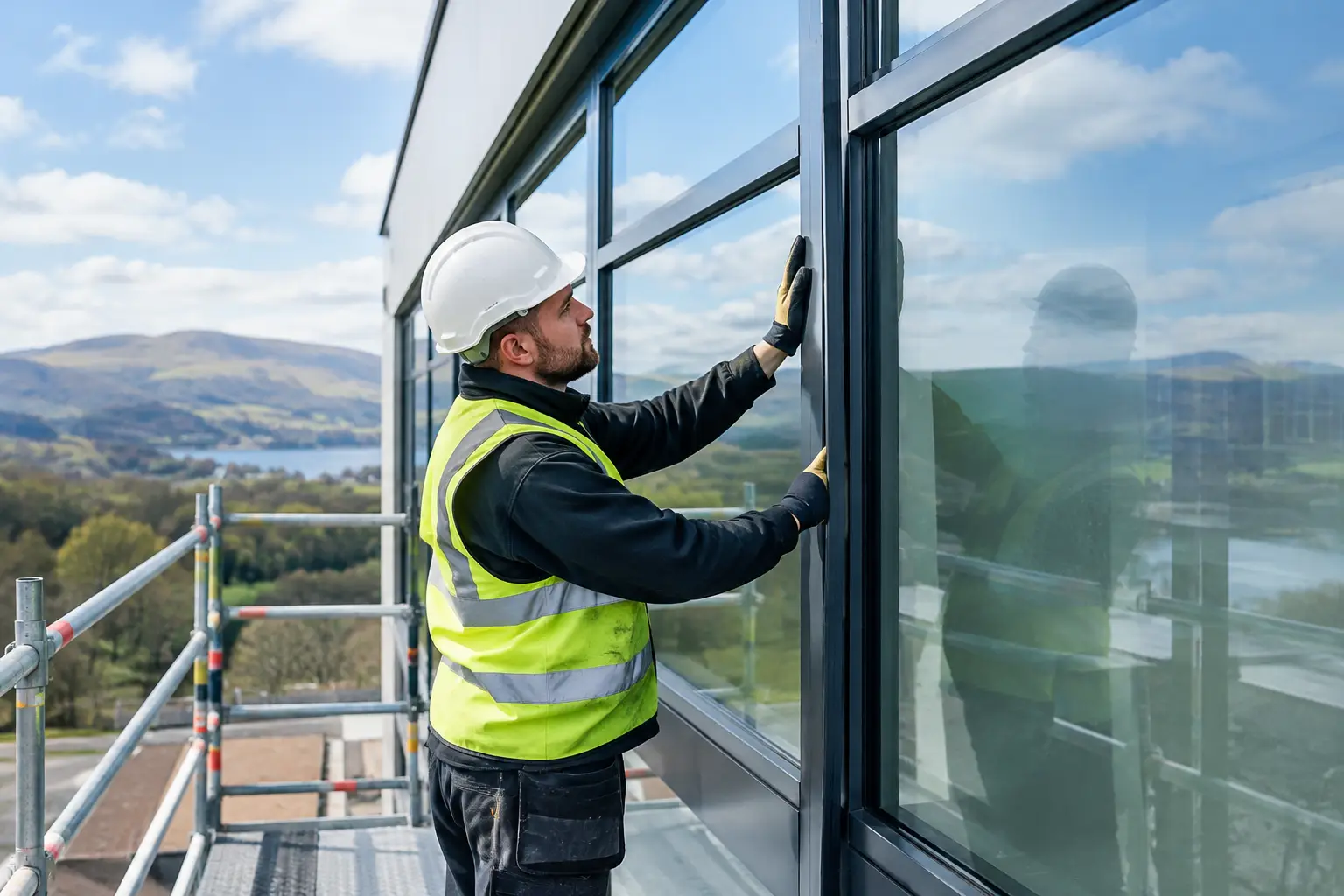
A tired shopfront, draughty office or poorly glazed rental block can cost more than it first appears. Heat escapes, outside noise carries through the building and customers can form an impression before they step through the door. Commercial window installation Cumbria property owners choose should improve day-to-day comfort, security and presentation – not simply fill an opening with glass.
For businesses, landlords and developers, the right specification is about getting a smart-looking result that works hard for years. That means choosing energy-efficient glazing, suitable frames and an experienced fitting team that understands the demands of an occupied commercial property.
Commercial Window Installation in Cumbria: Start With the Building
There is no single window that suits every commercial project. A modern office, a village pub, a retail unit and a converted period property all have different priorities. Before selecting a style, assess how the building is used, where heat is being lost and what the new windows need to achieve.
A street-facing business may put security and kerb appeal first. A landlord may be focused on reducing maintenance calls and improving tenant comfort. For an office or clinic, draught reduction and a quieter interior can make a real difference to the working environment. In many cases, the strongest result comes from balancing several needs rather than chasing one feature alone.
Measure performance, not just appearance
Frames and glass should look right, but their thermal performance matters just as much. Older single glazing and failing double-glazed units allow heat to pass through the building quickly. That leaves staff and visitors sitting near cold glass, while the heating system works harder to maintain a comfortable temperature.
A-rated double glazing can be an excellent choice for many commercial replacements. Where a project calls for even greater insulation, 0.8 U-value triple glazing can help reduce heat loss further. The best option depends on the building fabric, window size, budget and the gains available elsewhere, such as roof insulation or draughtproofing. Triple glazing is not automatically necessary for every site, but it can be a very sensible long-term investment where exposure, high heating use or comfort are major concerns.
Ask for the performance of the complete window, rather than focusing only on the centre pane of the glass. A quality glazed unit needs a well-made frame, correctly specified seals and professional installation to deliver the result promised on paper.
Consider security from the frame outwards
Commercial premises can be unoccupied overnight, particularly in town centres and industrial areas. Windows should therefore be specified as part of the wider security plan, alongside doors, shutters, alarms and lighting. Secure locking, reinforced profiles and toughened or laminated glass where appropriate can offer valuable additional protection.
The correct glass type depends on the location. A low-level glazed panel near a public entrance may need a different safety specification from an upper-floor office window. Ground-floor retail units may benefit from a more security-conscious approach, while windows used as emergency exits must remain easy to operate from inside. A good survey considers these details early, before frames are ordered.
What Professional Commercial Fitting Should Include
Even the best glazing will disappoint if the fitting is rushed. Poor installation can lead to draughts, water ingress, sticking sashes and avoidable disruption to trading. Commercial work needs practical planning as well as skilled workmanship.
A proper survey should check opening sizes, the condition of surrounding brickwork or render, access requirements and any structural concerns. It should also identify whether existing windows contain materials that need careful handling and disposal. On older properties, uneven openings are common, so made-to-measure units and thoughtful finishing are essential for a clean result.
The installation programme should be realistic. For a busy café, surgery, showroom or office, fitting one elevation at a time may allow the business to remain open with minimal interruption. A vacant development may suit a faster, larger-scale programme. It depends on access, occupancy and the number of openings, but clear communication before work starts prevents surprises on site.
Keep weather and water management in view
Cumbria’s weather makes careful fitting especially important. Driving rain and exposed locations place real demands on seals, drainage and external finishing. Windows must be installed square and secure, with correct perimeter sealing and suitable trims or making-good work around the opening.
This is not merely about appearance. Water finding its way around a frame can damage internal finishes, create damp concerns and undermine the value of the investment. A tidy external finish, correctly designed drainage paths and careful checks at handover all help protect the building through wet winters and windy conditions.
Do not overlook compliance and access
Commercial projects can involve building regulations, fire-safety requirements, safety glazing and access considerations. The requirements vary according to the property and the work being undertaken. For example, a window serving as a fire escape has different operational needs from a fixed pane above a reception area.
Listed buildings, conservation areas and some change-of-use projects may also require additional approvals or a more sensitive approach to design. This should be explored before choosing frame colours, glazing bars or replacement styles. Getting the visual detail right can preserve the character of a property while still delivering better warmth, security and reliability.
Choosing Frames and Finishes That Earn Their Keep
uPVC remains a popular commercial choice because it offers strong thermal performance, low maintenance and excellent value. Modern profiles are available in a range of colours and finishes, allowing a property to look sharp without the ongoing painting demands associated with some traditional materials.
White frames can suit clean, contemporary offices and rental properties. Anthracite grey gives a more defined modern look, while woodgrain finishes can work well where a softer, more traditional appearance is needed. The right choice should complement the façade, signage and surrounding doors rather than follow a trend that may date quickly.
For larger glazed areas or particular architectural requirements, other framing systems may be appropriate. The practical question is not which material sounds most premium. It is which system meets the required performance, appearance, maintenance level and budget for that building.
The Cost Question: Value Over the Whole Life of the Windows
The cheapest quotation can become expensive if it leaves a building with weak thermal performance, poor finishing or short-lived hardware. Equally, the highest specification is not always the right commercial decision. Good value comes from matching the product to the property, then having it fitted properly first time.
When comparing quotations, check what is included. This should cover the frame and glass specification, removal of old units, disposal, making good, trims, locks, ventilation requirements and the guarantee. A like-for-like comparison is the only fair comparison. A low initial figure may exclude work that is essential to completing the job properly.
At Cumbria Superglaze, commercial customers can benefit from a local sales, supply and fitting service, with high-performance energy-rated glazing and a 15-year manufacturer-backed guarantee on frames and double-glazed units. That protection matters when windows are a substantial investment in a shop, rental portfolio, workplace or development.
A Better Result Starts With a Clear Brief
Before arranging a quotation, make a short record of the issues you want to solve. Are rooms cold near the windows? Is traffic noise affecting staff or guests? Do the existing frames look worn from the street? Are there security concerns, condensation problems or damaged units? These answers help turn a general replacement project into a specification that makes financial sense.
Photographs, opening measurements and details of access can also speed up the early conversation. If the building must stay operational, say so from the start. A fitting team can then plan around customer footfall, staff areas, deliveries and the weather, rather than forcing the business to adapt at the last minute.
The best commercial windows do more than freshen up a façade. They create warmer, quieter and more secure premises that feel looked after from the moment someone arrives. A no-pressure survey is a sensible place to begin – it gives you the facts needed to choose improvements that will continue paying their way long after installation day.


