
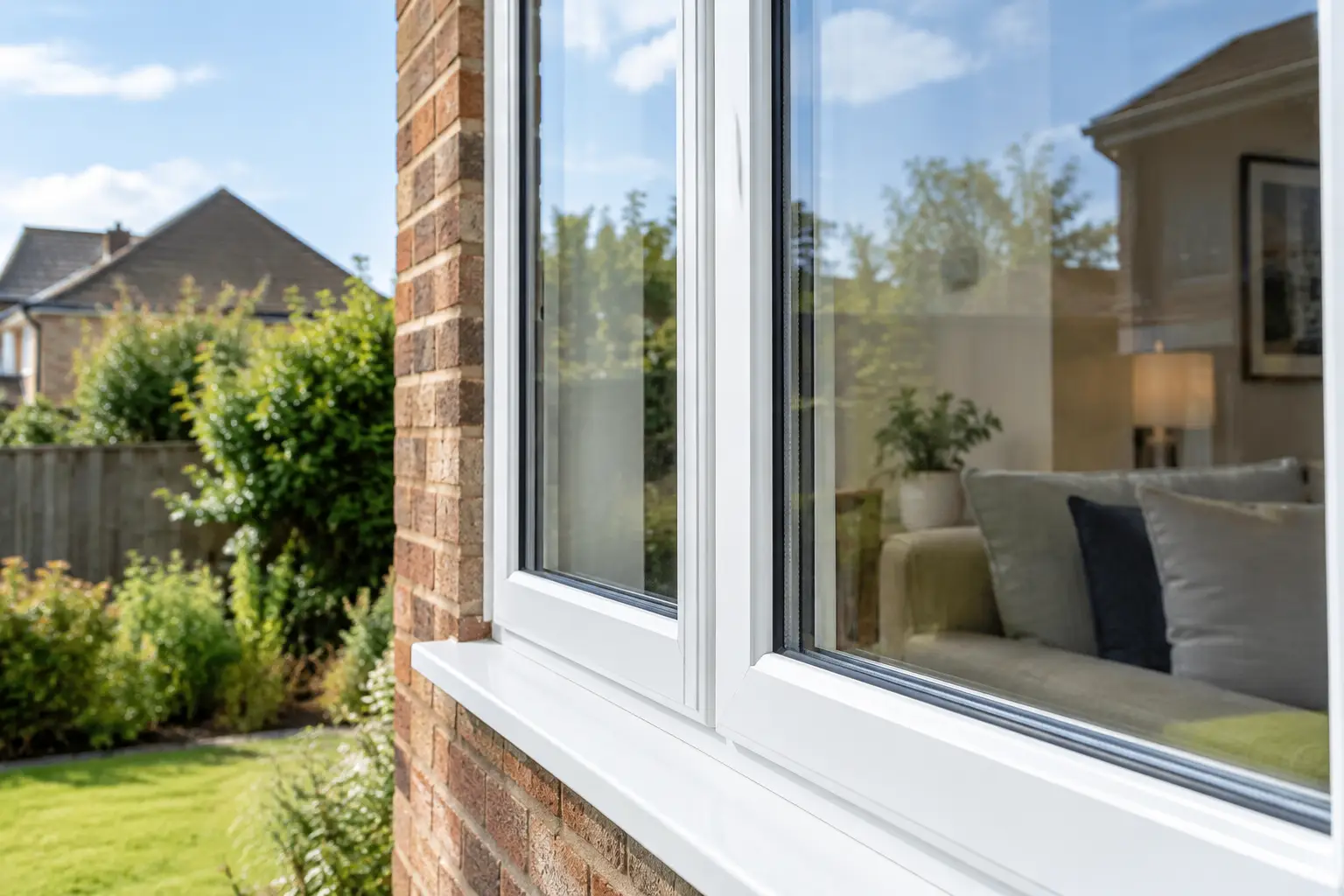
A misted pane on a cold Cumbrian morning is more than an annoyance. It can be the first visible sign that a sealed unit is no longer doing its job properly. So, how long do double glazed windows last? For most well-made, professionally fitted modern windows, the frames can last 20 to 35 years or more, while the sealed double-glazed units commonly last around 15 to 25 years.
Those figures are useful, but they are not a replacement deadline. A window that still opens, locks and keeps warmth inside the house may have plenty of life left. Equally, a poorly fitted window can develop draughts, condensation or failed seals much sooner. Quality of manufacture, fitting, maintenance and exposure to Cumbria’s weather all make a real difference.
How Long Do Double Glazed Windows Last in Practice?
It helps to separate the window into its main parts. The insulated glass unit is the two panes of glass, spacer bar and sealed gap between them. The frame is the uPVC, aluminium or timber surround. Then there are the moving parts: hinges, handles, locks, gaskets and drainage channels.
The glass unit is usually the first component to show its age. Its airtight edge seal can gradually weaken over time, allowing moisture into the cavity between the panes. Once this happens, the unit may look cloudy or misted and its insulating performance drops.
A quality uPVC frame often outlasts the original sealed unit. It should resist rot and need very little upkeep, provided it is correctly reinforced, installed square and kept clean. Timber can also last for decades, but it needs regular protection from the elements. Aluminium is extremely durable, although the quality of the thermal break and installation still matters for warmth and condensation control.
Hardware may need attention before either the glass or frame. A stiff handle, loose hinge or worn gasket does not automatically mean a whole new window is required. In many cases, it can be repaired or adjusted. That is why an honest inspection matters before committing to replacement.
What Shortens the Life of a Double-Glazed Window?
Windows face a hard life in the North West. Driving rain, coastal air, strong winds and repeated changes between cold nights and warmer days all place pressure on seals, frames and fittings. A sheltered rear elevation and an exposed coastal-facing wall can age very differently, even on the same property.
Poor installation is another major cause of early problems. If a frame is not fitted level, properly packed, securely fixed and sealed against the building, it can twist slightly as the house moves and temperatures change. That puts strain on hinges and locks, creates gaps for draughts, and can affect how well the sealed unit performs.
Cheap glass units can also be a false economy. The space between the panes, quality of the spacer bar, type of gas fill and integrity of the perimeter seal all affect insulation and longevity. A-rated double glazing is not simply about having two panes of glass. It is about the whole system working together to retain heat, reduce cold spots and improve comfort.
Everyday use plays a part too. Slamming sash windows, forcing stiff handles and ignoring blocked drainage slots can shorten the life of moving components. The good news is that small checks can prevent a minor issue becoming a costly one.
Signs Your Double Glazing May Be Failing
Condensation on the room-facing side of the glass does not always mean the window has failed. It often means there is excess moisture in the home from cooking, showering or drying clothes. Better ventilation can make a noticeable difference.
Condensation or mist trapped between the panes is different. It normally indicates a failed sealed unit, because the insulated cavity is no longer airtight. You may also notice a white haze around the edges of the glass, moisture streaks inside the unit or a view that never quite looks clear.
Other warning signs include cold draughts around the opening sash, rattling panes, difficulty opening or locking the window, cracked gaskets, visible frame damage and water ingress. A room that remains chilly despite the heating being on can also point to underperforming glazing, particularly if the windows are older and have a lower energy rating.
It is worth acting early. A failed unit does not always require a full window replacement, but leaving it can mean more heat loss, more condensation and less comfort through winter.
Can You Replace Just the Glass Unit?
Often, yes. If the frame is sound, secure and in good condition, replacing only the sealed double-glazed unit can be a sensible, value-conscious solution. It can restore clarity, improve insulation and remove the misted appearance without changing the entire frame.
However, a new glass unit cannot solve every problem. If the frame is warped, the locking system is outdated, the hinges are badly worn, or there are persistent draughts around the structure, a complete replacement may offer better long-term value. New windows can also improve security, sightlines and kerb appeal while bringing the property up to a higher energy-performance standard.
This is where specification matters. Homeowners comparing quotes should ask what glass is being supplied, not just whether it is double glazed. Low-emissivity coatings, warm-edge spacer bars and argon-filled units can all improve thermal performance. For households looking for the strongest possible insulation, high-performance triple glazing with a 0.8 U-value can go further again, particularly in exposed locations or large glazed areas.
How to Help Double Glazed Windows Last Longer
You do not need a complicated maintenance routine. Clean the frames and glass with warm, soapy water and a soft cloth, rather than harsh abrasives that can damage finishes or seals. Keep drainage holes at the bottom of the frame clear, especially after autumn leaves and debris have built up.
Open and close windows gently, and do not force a handle if it feels unusually tight. A fitting team can often make a simple adjustment before wear becomes more serious. Check the rubber seals once or twice a year for cracking, flattening or gaps, and keep trickle vents clear if your windows have them.
For timber windows, regular painting or staining is essential protection, not a cosmetic extra. With any material, deal with external sealant failures promptly. Water finding its way behind a frame can cause hidden problems in the surrounding wall as well as affecting the window itself.
Why Guarantees and Fitting Quality Matter
A long guarantee is not just a line on a quotation. It is an indication that the supplier stands behind the frames and glass units they install. Cumbria Superglaze offers a 15-year manufacturer-backed guarantee on frames and double-glazed units, giving homeowners useful protection against premature product failure.
That said, read what any guarantee covers and keep the paperwork. It may distinguish between the glass unit, frame, hardware and accidental damage. The strongest result comes from combining a quality product with experienced fitting, proper finishing and straightforward aftercare.
When you are deciding whether to repair or replace, look beyond the immediate price. A replacement that stops draughts, improves home security and helps reduce heating demand can deliver value every day, not only when the weather turns cold.
If your windows are misted, noisy, difficult to lock or simply no longer keeping rooms comfortable, arrange a professional assessment before winter exposes the problem further. The right advice should be clear, practical and pressure-free, whether the best answer is a replacement glass unit, a repair or a full energy-efficient window upgrade.


